

Principle 5 of 6
Design should affirm dignity and belonging, especially at the margins.
Why it matters
Design practice isn’t just about function or beauty. It’s a vehicle for affirming human dignity, connection, and growth. Across my career, I’ve sought opportunities to focus on this value because it responds to a world suffering from surface-level exclusion. Sometimes that exclusion stems from power; sometimes it’s born of spiritual shallowness, the failure to see and honor one another’s humanity.
In my practice, I hold dignity, meaning, and wholeness as compass points. That orientation underlies both my product design work and my involvement in coaching and personal development. I’m not just designing products or interfaces; I’m designing environments where people can feel whole and thrive.
Sometimes that means showing reality as it is, rather than editing it out. It means showing people as they are, not idealized into a mold. These moments remind me that empathy is just the start of the process; design affirms worth through the design choices that follow.
My understanding of this principle has been shaped by many influences: Rabindranath Tagore’s Creative Unity, Desmond Tutu’s No Future Without Forgiveness, Inside Circle’s documentary The Work, the ManKind Project, Microsoft’s Inclusive Design Toolkit, and the human-values framework I helped develop at Like Humans. Each taught me that belonging begins where difference is welcomed.
In practice, affirming dignity begins with the smallest design choices—the words we use, the states we show, the access we enable. While accessibility checklists are essential, they can become mechanical if left at compliance. We can elevate them with care and moral vision. In a design conversation, instead of asking “Do we like this?” we can ask, “Does this affirm dignity?” That shift shapes outcomes: edge users feel seen, all users benefit, and brands earn trust by visibly honoring human worth. One is compliance; the other is conscience.
Despite corporate backlash to DEI, I believe the long arc still bends toward inclusion, representation, and humane systems. Every person deserves to feel seen, respected, and included. When we witness this happening, it’s hard not to feel a heart-opening, as if beneath the noise of survival and conquest we’re remembering the simple act of welcoming one another.
Design, in all its forms, has the power to create that sense of belonging.
In my work
I’ve tried to carry this value into my own design practice, from improving accessibility in digital systems to crafting experiences that honor people’s realities rather than idealize them.
Portraits of Fit from Blank Label
Early in my career as creative director at the menswear startup Blank Label, I designed and led a branding campaign called Portraits of Fit. Instead of choosing typical model ideals, I photographed real customers — people with both typical and atypical bodies — to affirm dignity in personal expression. Some featured a missing arm or a visible diabetes pump; others simply carried the quiet confidence of being themselves. The goal was more than accessibility; it was to honor difference as part of beauty. The creative direction reinforced the product’s value of being tailored to the individual body, but more importantly, it demonstrated how design can shape dignity, not just desirability.
In others’ work
I also see this intention reflected in the work of others, where technology, storytelling, and community design create conditions for dignity to be a focus.
Dillan’s Voice from Apple
I was struck by Apple’s short film Dillan’s Voice, which follows a nonverbal teenager using an iPad to express himself for the first time. What stayed with me was the intention behind it, design used as a form of empathy. The features effectively welcome Dillan’s ability to share his authentic experience, out-designing the barriers that once stood in the way. It’s a reminder that when design can honor a person’s inherent voice, it dignifies them.
Developmental retreats from ManKind Project
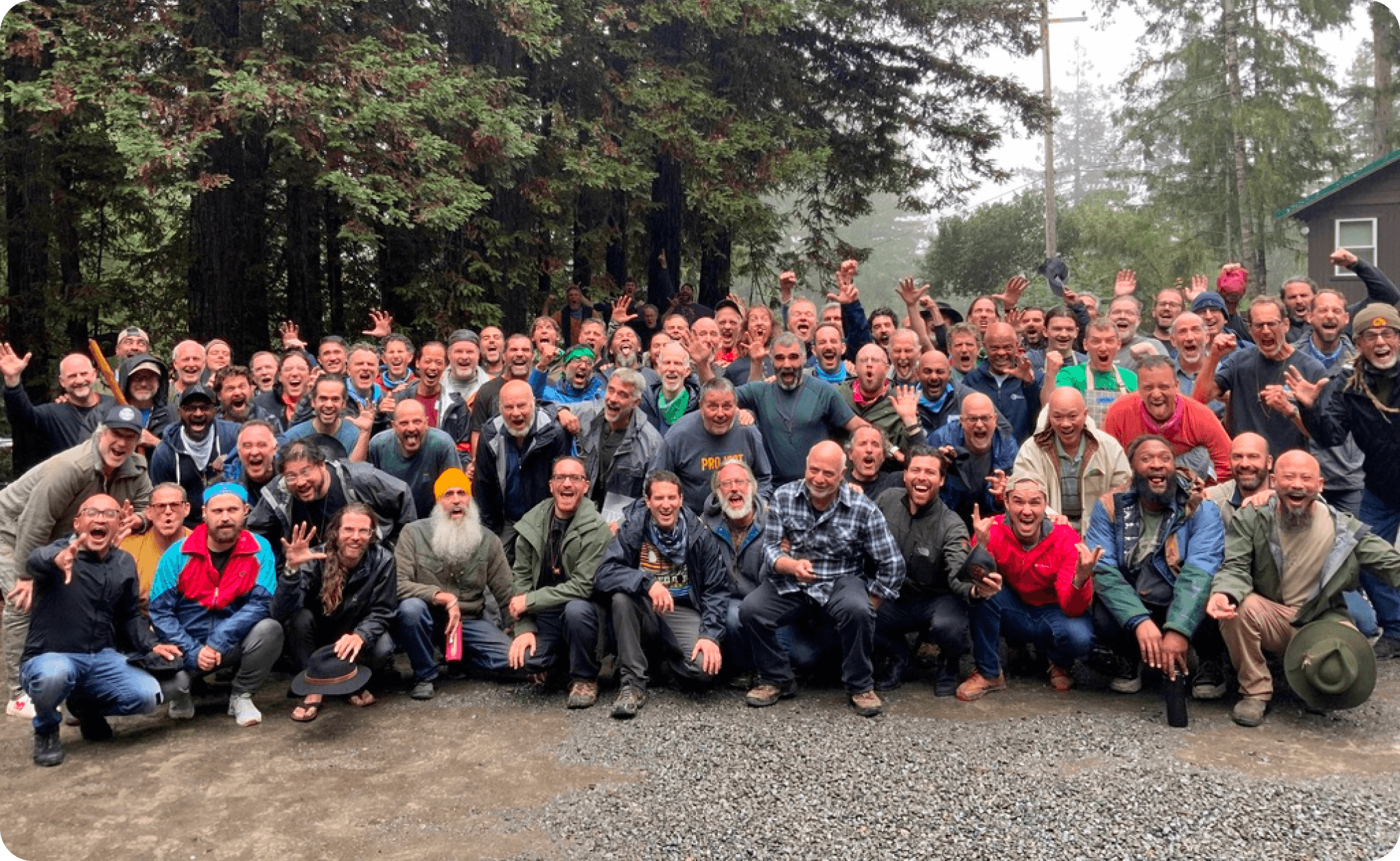
I also see this principle embodied in the ManKind Project, where I’ve staffed several personal development retreats. The community’s core retreat has been carefully designed as a modern hero’s journey, guiding men through experiences that help them confront their deepest wounds and self-limiting beliefs. In Northern California, the program is supported by a volunteer staff of more than fifty men who hold space without judgment, creating the safety needed for participants’ truth to emerge. It’s an experience of belonging built through presence and compassion, where dignity is intentionally designed into the process.
Implications for practice
Affirming dignity isn’t a side benefit of good design; it’s a measure of it. When people feel respected and included, trust follows, and systems grow stronger. This principle asks us to make intentional choices in ways that support human worth.
It begins by widening what we notice. Beyond usability or aesthetics, we can attend to emotional signals of respect: tone, representation, and how people are portrayed or invited to belong. Every interface, word, and process communicates what kind of humanity it welcomes.
Designers also shape systems of recognition. Feedback tools, onboarding flows, and team rituals can either flatten individuality or affirm it. When we design with an eye toward belonging, we shift from control to care, from optimizing behavior to cultivating connection.
In practice, this means questioning our defaults:
•
Who might feel unseen or misrepresented here?
•
What language or imagery quietly communicates exclusion?
•
How might this experience affirm someone’s dignity, especially at its edges?
These examples span communication, technology, and community, yet they reveal the same principle: design’s moral capacity to humanize. When we design for dignity, we shape the conditions for people to feel seen and valued. That is the work beneath the work.
Field guide
→
Where in this experience might someone feel unseen or diminished?
→
What would it mean to design this moment as an act of respect?
→
How might this system give people more agency or self-understanding?