Principle 2 of 6
Design encodes and reflects human meaning systems.
Why it matters
I’ve always found the cultural value of design fascinating: it’s a nonverbal language, an intentional way of bringing values into the built environment. Design doesn’t just solve problems; it also reveals and reinforces the ways we understand ourselves and our culture.
I think of design as a kind of language, with a grammar and meanings available to be read. If design is the practice of intentional (rather than accidental) change, then every decision carries meaning. It signals what matters to the people and culture who chose to produce it.
Early in my journey, I was inspired by Frank Lloyd Wright’s advice: “Form the habit of asking ‘Why’ concerning any effects that please or displease you.” His guidance was to notice not just how things look, but what resonates and why.
Later down the road, anthropologist Edward Hall gave me a framework that clarified this curiosity with his “iceberg” model of culture. Visible things—objects, rituals, and styles above the waterline—are reflections of invisible values and beliefs below. Design choices work in the same way: what we see on the surface reflects unspoken systems of meaning.
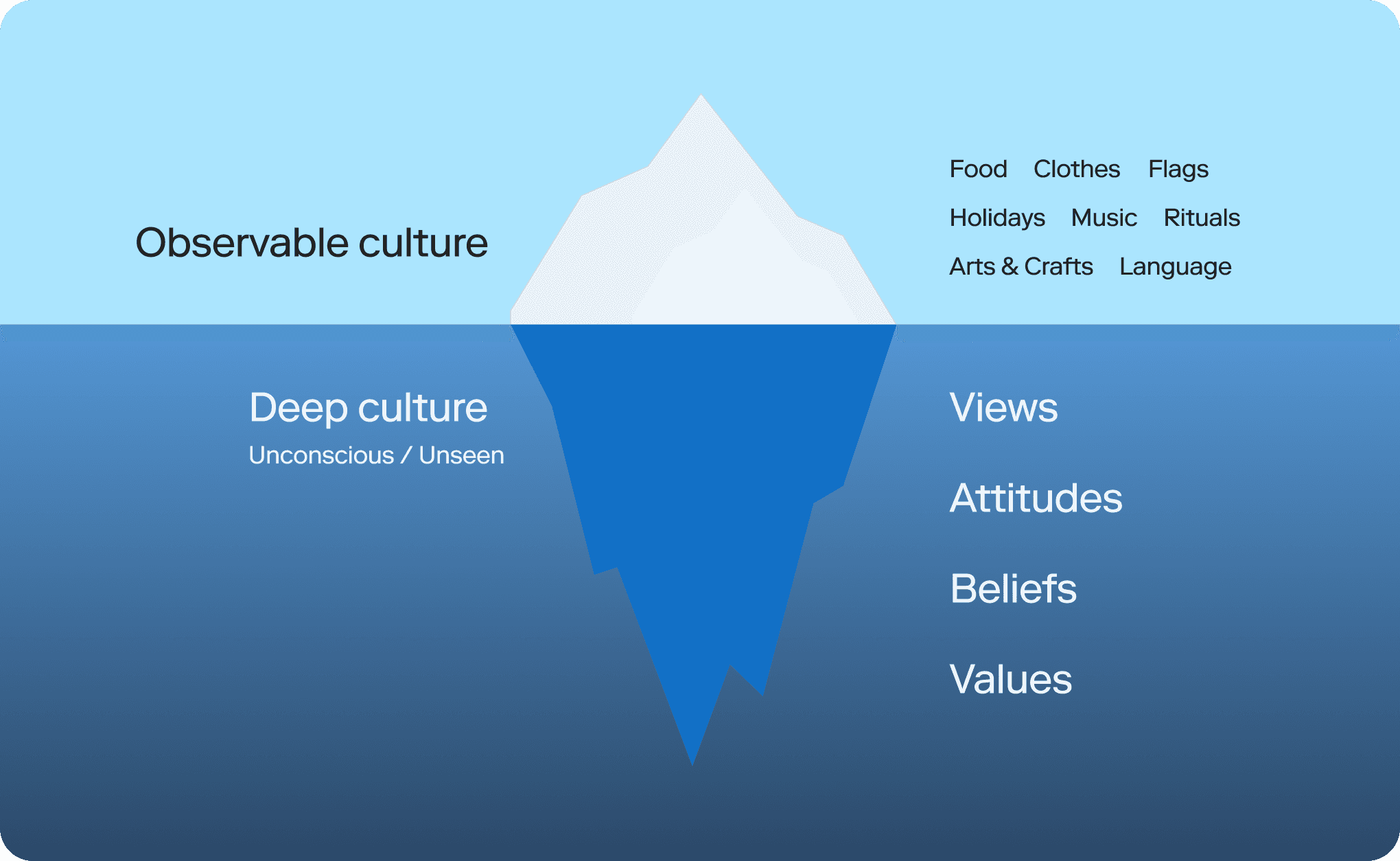
Why does all this anthropology matter? A design outcome could “work” functionally, yet feel generic or transactional. But when values are deliberately encoded, a design carries cultural weight. It resonates. It creates connection through identity and alignment, not just utility.
Design research on embodied cognition shows that physical experience can communicate meaning nonverbally, too. BMW engineers, for instance, use a heavier-than-normal hinge on their car doors so they feel deliberately heavy—a choice that encodes associations of safety and importance. By contrast, the feather-light door of a budget car signals thrift and disposability.
When used intentionally and consistently, encoding meaning across touchpoints creates coherence. Each design choice reinforces the others until the whole system speaks with a voice.
And that’s why this principle matters: it asks designers to be mindful of the cultural messages embedded in our work. What values do we want to propagate in the world we create?
In my work
Over time, I began to see this principle emerge in my own projects and explorations, not just in the theories.
Identity → Reflection: Like Humans
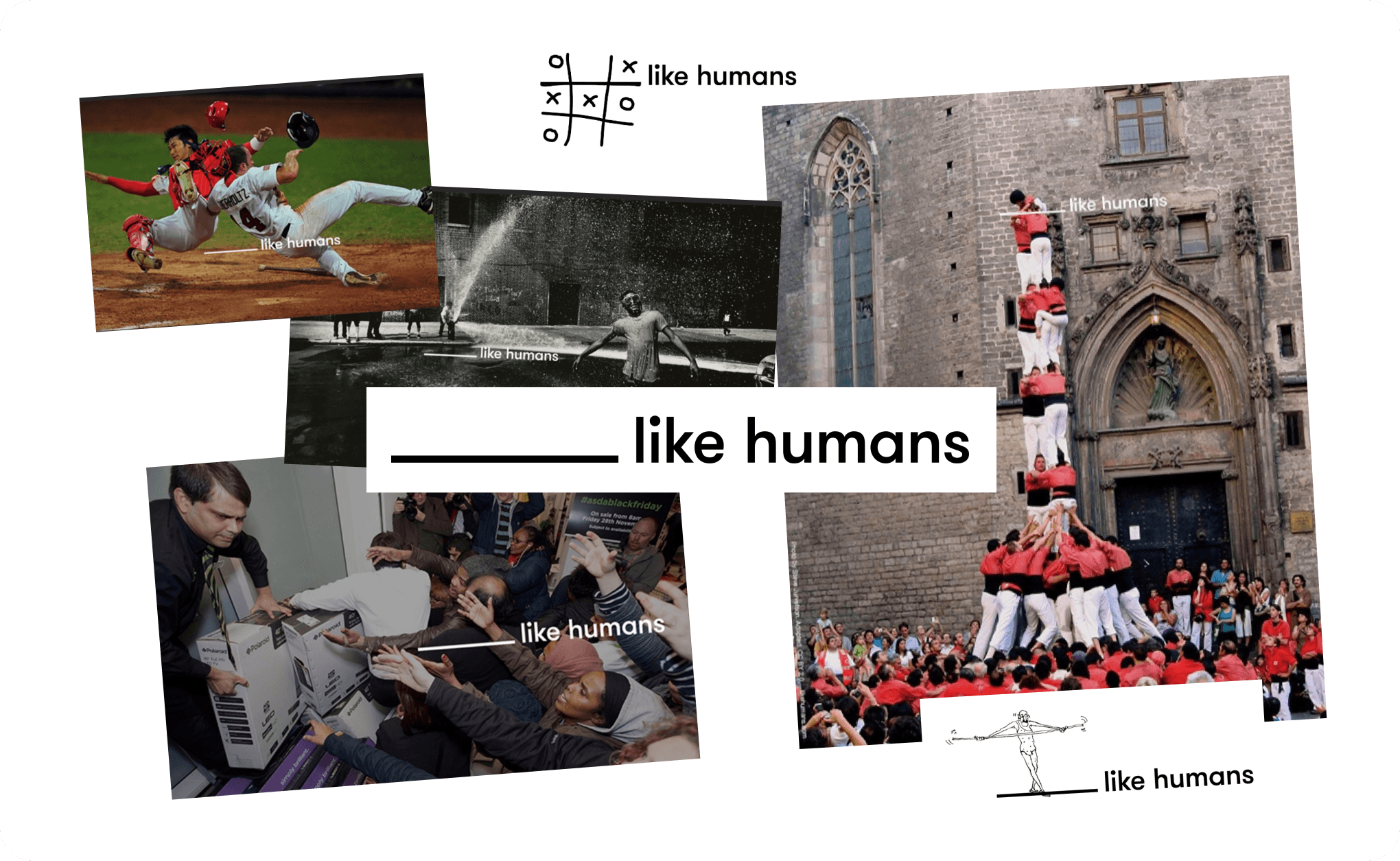
At a small consultancy I co-founded, Like Humans, our mission was to help teams work with greater connection by surfacing shared values and improving interpersonal alignment.
I designed the name and identity around a flexible placeholder: “____ like humans.” The idea acted as a mirror, inviting people to fill in the phrase and reflect on what it meant for them.
In doing so, the logo itself expressed values we held, signaling that our work extended beyond the functional into cultural and behavioral questions. In hindsight, the design was a way of encoding our value for “reflection” into the consultancy's identity.
Metaphor → Meaning: A design tool
As I delved into research on meaning-making, I came to realize how central metaphor is as a design tool for the deliberate process of encoding meaning. What stood out to me was the formula “X is like Y”, which transfers values from Y into X. Designers use it constantly to embed meaning, often without naming it.
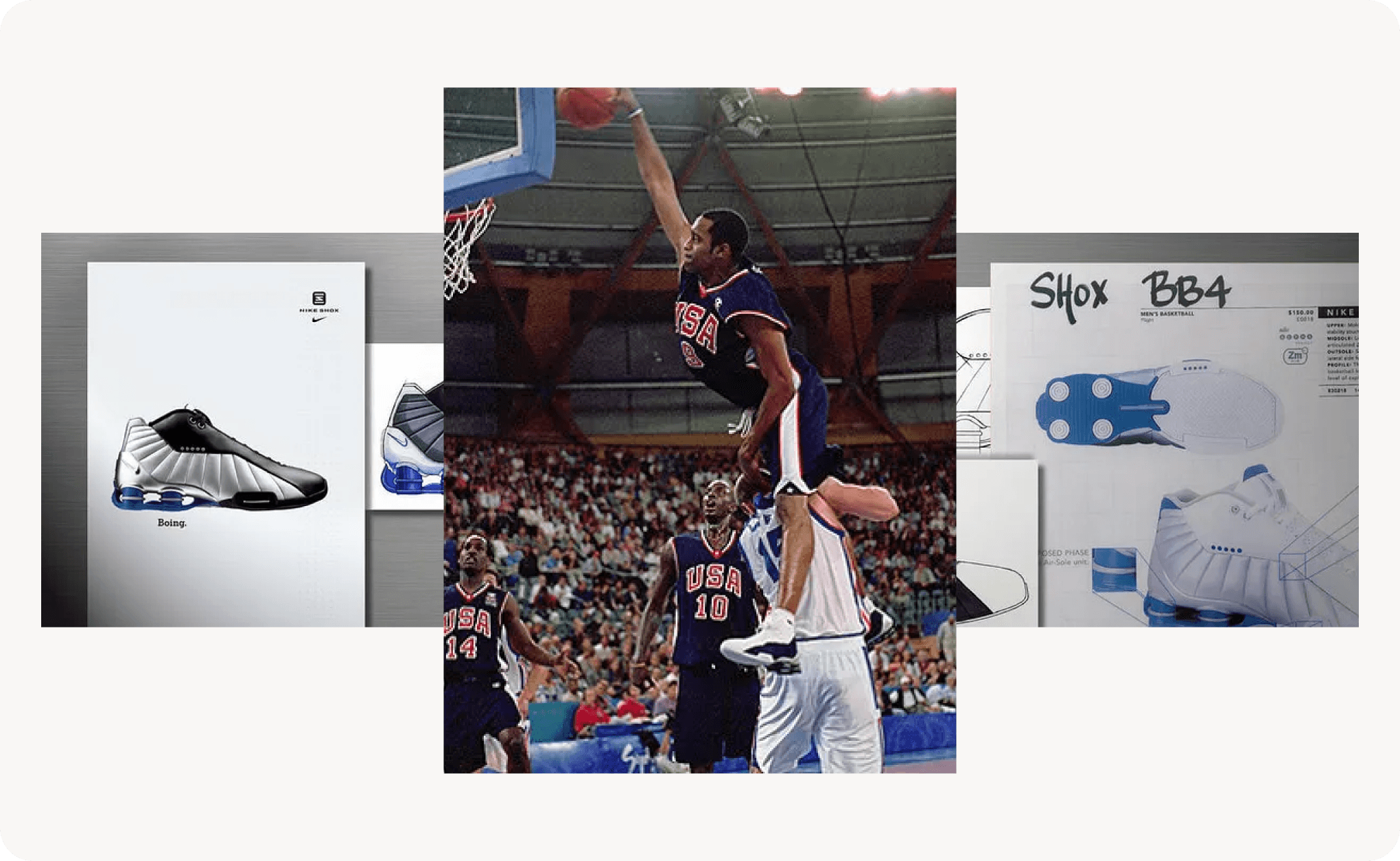
For example, Nike Shox borrowed the metaphor of automobile shocks to signal resilience and cushioning in a shoe. A mechanical cue was translated into an athletic promise.
This insight reveals a practical lever for designers: the ability to intentionally transfer messages into form and experience.
In others’ work
This is not a novel principle, but when made explicit, it’s clearer to see how it works across designs of all kinds.
Skincare → Philosophy of beauty: Aesop
One of the clearest external examples that informed my understanding of values-driven design came from Aesop. Early in my career, I studied their stores and noticed how every detail carried intention. What I realized was a deliberate encoding of cultural messages across every touchpoint in their system.
•
Wabi-sabi beauty: Aesop embraces imperfection and patina, communicating an honest, lived-in approach to beauty rather than idealized glamour. Tubes of product therefore wear down as you use them. Stores sometimes display slightly misprinted packaging, elevating imperfection into meaning.
•
Gender neutrality: Packaging avoids broadcasting ideals of masculinity or femininity. This neutrality signals respect for individuality rather than stereotypes.
•
Ritual: Visitors are offered tea in cups reminiscent of Japanese tea ceremonies. Staff handle purchases with two hands, expressing graciousness and respect.

Random accommodations → Belonging: Airbnb
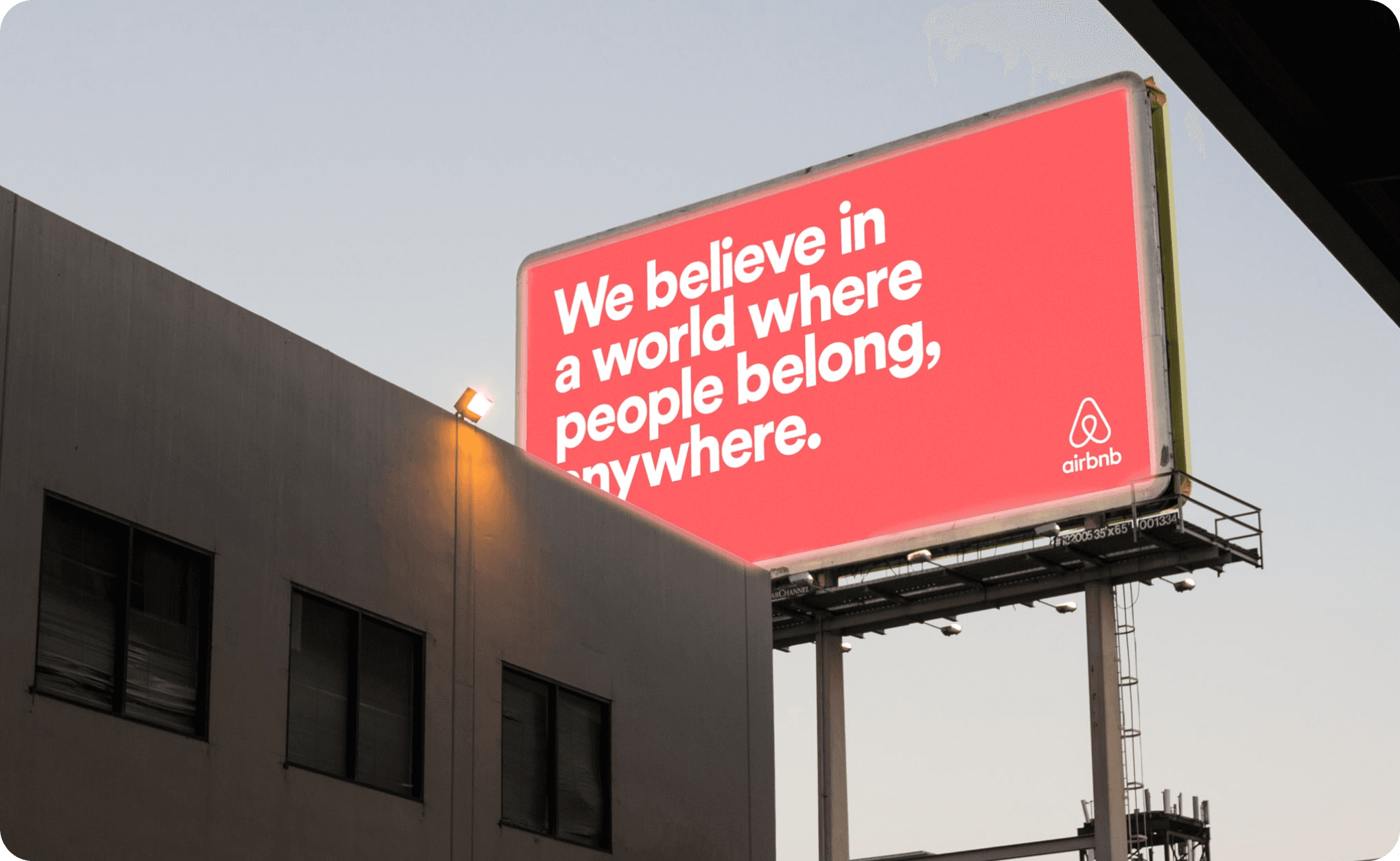
Airbnb’s Belong Anywhere campaign reframed short-term stays from being purely transactional into experiences of belonging. By focusing on their cultural meaning in addition to their platform’s mechanics, the company moved people’s attention beyond a mere booking logistics platform. As its co-founder Brian has said, “(Airbnb) does more than give you a place to sleep.” It changes the way you experience the world by building trust in the kindness of others.
People → Playing cards: Tinder
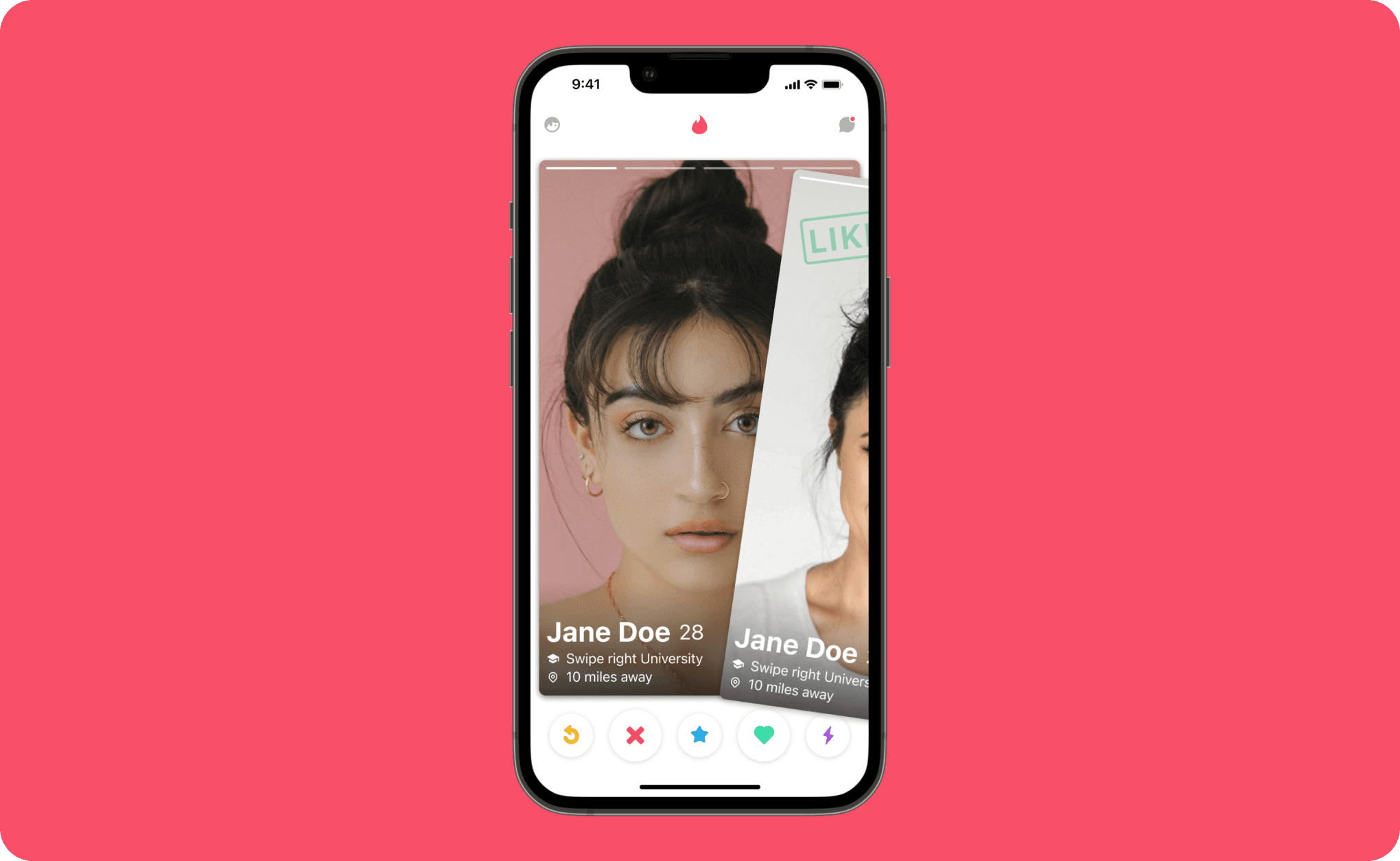
Tinder’s swipe interaction turned dating into a game of quick judgments. By borrowing the gesture of flicking through a deck of cards, the design introduced an analogy: people are swipeable. Profiles became gamified — something to be kept or discarded with a thumb.
This simple design choice shaped how millions came to experience themselves and others. The swipe didn't just solve for an interaction problem; it also reflected a mindset.
Implications for practice
If design encodes human meaning, then designers are not just problem-solvers — we are also meaning-shapers. Every decision, from the hinge of a door to the essence of an interaction, communicates a message. Even defaults and conventions are not neutral; they mirror the culture that produced them.
That mirror can be happenstance or intentional. Left unexamined, our choices might just reinforce existing norms, whether or not we believe in them. But when we take responsibility for meaning as well as function, design becomes an active force in shaping culture. We’re not only making things usable; we’re influencing what feels dignified, disposable, important, or true.
The invitation is to approach design with that intentionality: to ask not only “Does this work?” but “What meaning does this encode—and is that the message we want to send?” Our choices can either reinforce norms or reshape them. When meaning is made deliberate, design creates not only things that work, but things that reflect our culture.
Field guide
→
What messages are your current design choices reflecting back to users?
→
What meaning is this interaction, system, or detail encoding — intentionally or not?
→
If your design is shaping culture, what story do you want it to tell?